

Predictive Cardiac Modeling
Better NAMs for Human Cardiac Safety Liability
Better Models. Better Predictions.
Preclinical cardiac safety testing powered by mature, chamber-specific human cardiomyocytes.
GoldiloxBio is advancing preclinical cardiac safety testing with physiologically relevant human cardiac models. Our platform delivers comprehensive functional electrophysiology data to help drug developers identify cardiac safety liabilities, reduce uncertainty, and make more informed decisions about which therapeutics to advance.
Beyond Conventional Cardiac Safety Testing


Cardiotoxicity remains a significant source of drug development failure. Conventional preclinical approaches, including isolated ion channel assays, animal models, and immature stem cell-derived cardiomyocytes, provide valuable information but often fail to capture the full complexity of human cardiac electrophysiology.
These limitations can lead to false positives that prematurely eliminate promising therapeutics and false negatives that allow potentially dangerous compounds to advance.
Together, these limitations drive costly false starts and missed opportunities throughout drug development.
GoldiloxBio Solution Suite
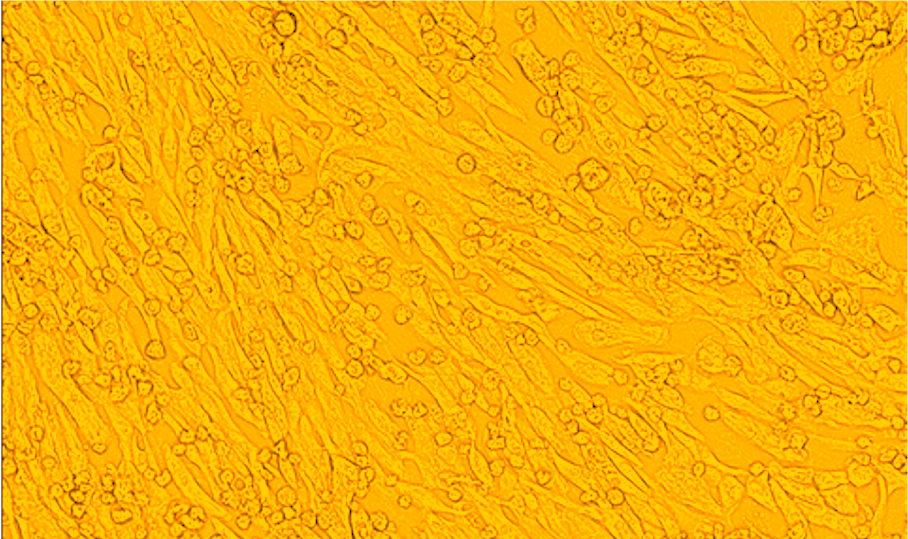
Chamber-Specific Models
GoldiloxBio models exhibit electrophysiological characteristics more representative of adult human cardiac tissue.
Mature Human Cardiomyocytes
Atrial and ventricular cardiomyocytes that enable evaluation of chamber-dependent drug responses.
Comprehensive Electrophysiology
Integrated measurements of action potential morphology, conduction, rhythm, and related functional parameters.
Testing across genetically distinct human donors to understand variability in drug responses.
Human Donor Diversity

Let’s work together
Better cardiac safety data can help reduce costly development failures, avoid unnecessary attrition, and advance safer therapeutics.
At GoldiloxBio, we’re committed to providing pharmaceutical and biotechnology companies with the physiologically relevant tools and expertise needed to better understand cardiac safety.
Have a compound or development program you would like to discuss?